Refreshing the latest version...
Refreshing the latest version...
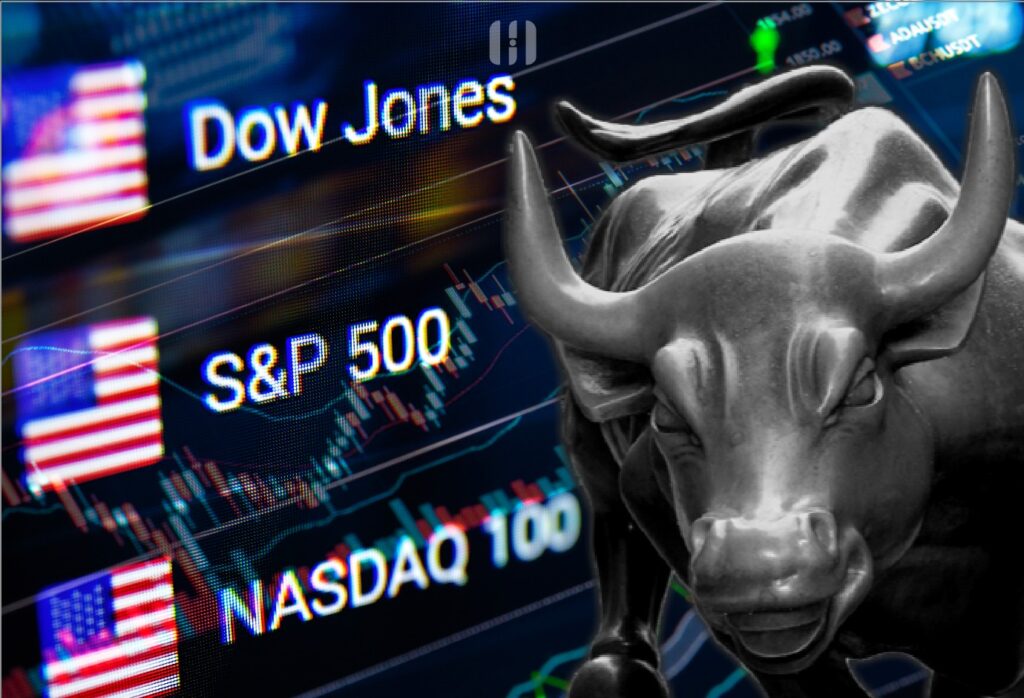
The stock market is a dynamic environment where changes in investor sentiment and economic indicators can lead to significant fluctuations in major indices such as the Dow Jones Industrial Average (DOW), NASDAQ, and S&P 500. As of now, there have been some notable movements in these markets, reflecting both the opportunities and risks investors face.
The DOW, known for its representation of 30 large, publicly-owned companies in the U.S., has seen some fluctuations in its top gainers and decliners. While specific tickers are not provided in this context, typically, a top gainer in the DOW indicates robust performance, possibly due to strong earnings reports or positive news affecting the company’s growth prospects. On the other hand, a top decliner might suggest challenges such as disappointing earnings or negative market sentiment affecting its stock price.
Turning to the NASDAQ, which predominantly features technology companies, the performance here can be particularly volatile. A top gainer in the NASDAQ can often be attributed to breakthrough innovations or positive market forecasts, especially in tech sectors that are rapidly evolving. Conversely, a significant decliner might reflect the market's reaction to regulatory issues or shifts in consumer preferences that are impacting technology stocks.
The S&P 500 is often viewed as a broader representation of the U.S. economy, comprising 500 of the largest companies. The top gainers in this index may indicate a general uptick in consumer confidence or positive economic data, invigorating various sectors. Meanwhile, the top decliners could signal underlying economic challenges or shifts in market dynamics that investors should be wary of. The interplay between these indices showcases the complexity of the market, where investor sentiment can lead to rapid shifts in stock valuations.
Overall, the current market movements suggest a mixed sentiment among investors. Market participants should keep an eye on both the gainers and decliners as they reflect the underlying economic conditions and corporate performances that may influence future investment decisions. Investors are encouraged to stay informed on the latest news and financial performance reports to navigate these changes effectively.